About
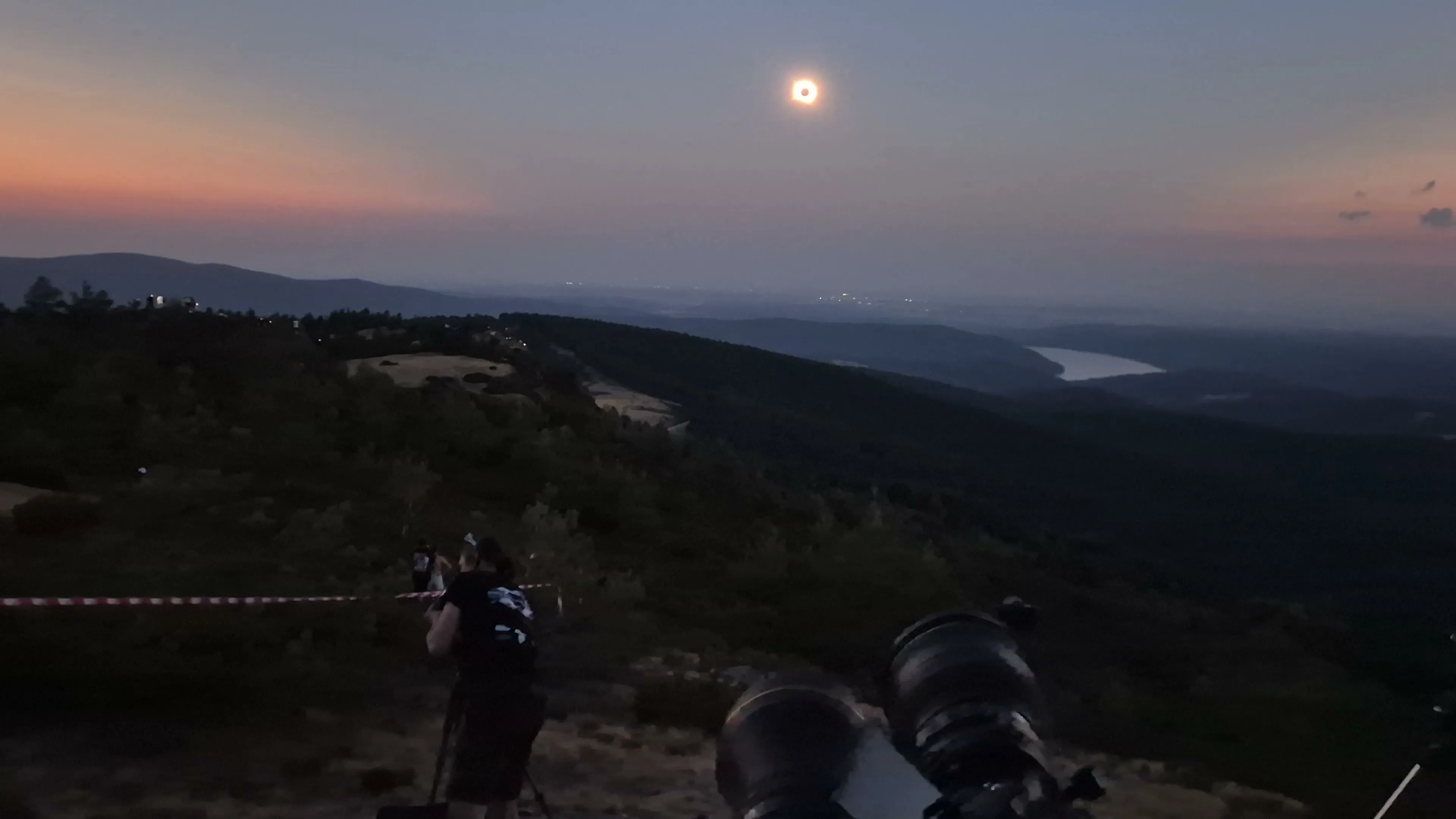
An international collaboration following total solar eclipses.
Solar Wind Sherpas brings together scientists, engineers and observers to study the Sun’s outer atmosphere and the origins of the solar wind. Led by solar physicist Dr. Shadia Habbal, the collaboration takes portable observatories to the path of totality around the world.
- 31years of eclipse research
- 21expeditions
- 40+peer-reviewed publications
Founder
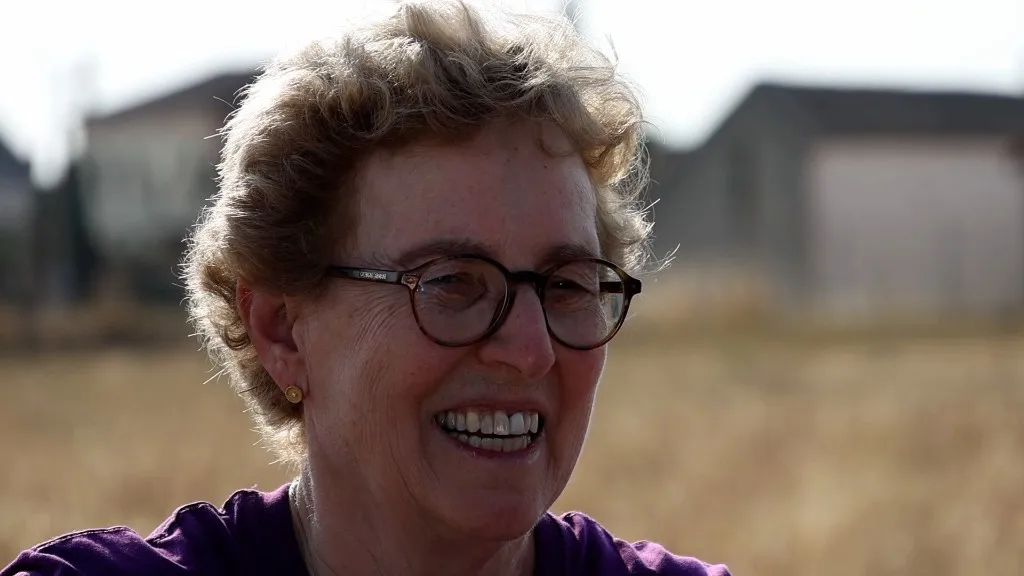
Dr. Shadia R. Habbal
Shadia Habbal founded Solar Wind Sherpas and leads its scientific work. Her research explores the solar corona and its connection to the solar wind, bringing together field observations, specialized instruments and collaborators across expeditions.
Institute for Astronomy, University of Hawaiʻi
Our Story
Solar Wind Sherpas began as a field science effort: take instruments into the path of totality, measure the solar corona, and keep building on what each eclipse reveals.
- When
- 1995 — first campaign on the expedition record
- Who
- Founded and led by solar physicist Dr. Shadia R. Habbal
- Purpose
- Study the Sun’s outer atmosphere and the origins of the solar wind from portable observatories placed under totality
- The name
- “Sherpas” points to the expedition work itself: moving heavy optics, preparing sites, and helping one another make the most of a few minutes of darkness.
Swipe or use the arrows to browse
The People Behind the Sherpas
The team changes from one expedition to the next. Each campaign brings together the scientists, engineers and observers needed for its instruments and observing sites. Between eclipses, work continues through instrument preparation, data processing and scientific analysis.
Building the instruments
Developing, adapting and testing the systems used to observe the corona.
Working in the field
Preparing observing sites, calibrating equipment and recording data during totality.
Turning data into knowledge
Processing observations, interpreting the measurements and preparing scientific publications.
Our Actions
We bring solar research into the field and share the science of eclipses with the communities we meet.
Scientific Research
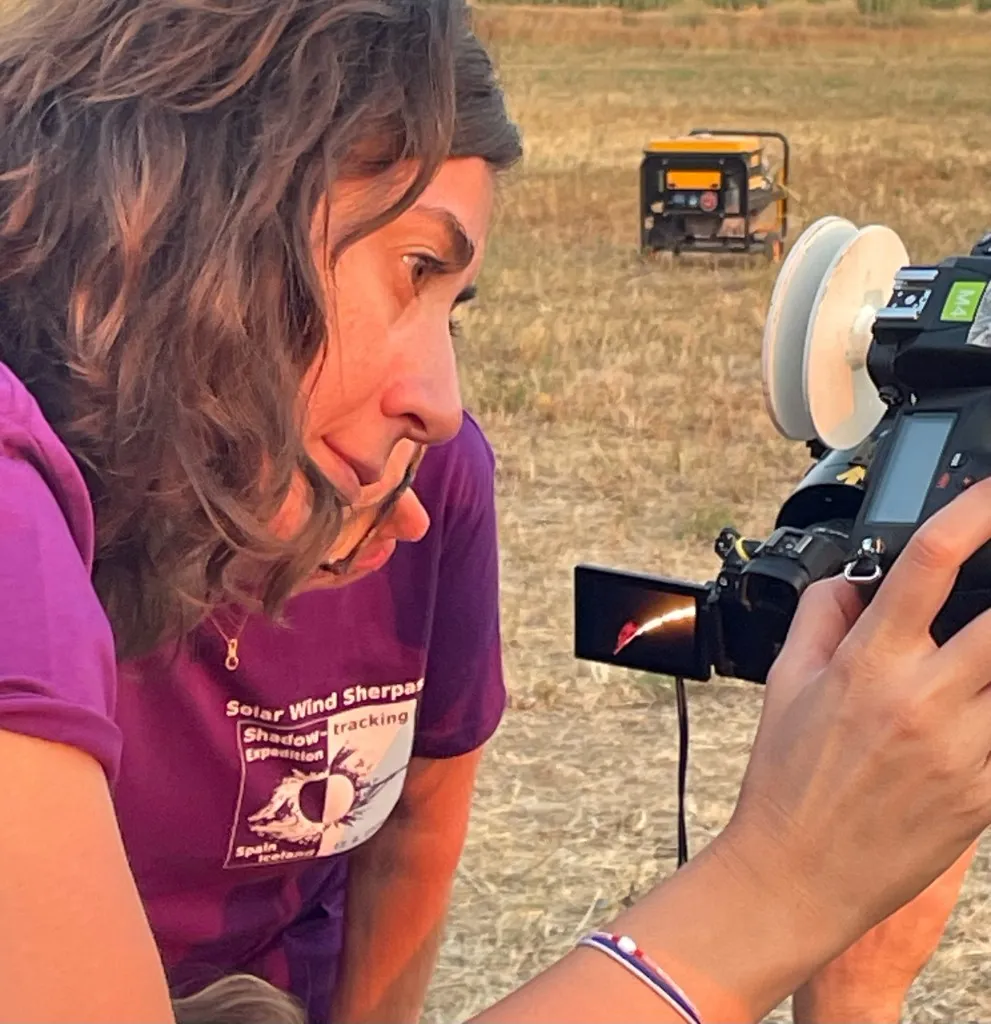
We use specialized instruments to study the solar corona. By analyzing its light, we investigate its temperature, structure and connection to the solar wind, adding observations that complement those made by space-based observatories.
Explore the science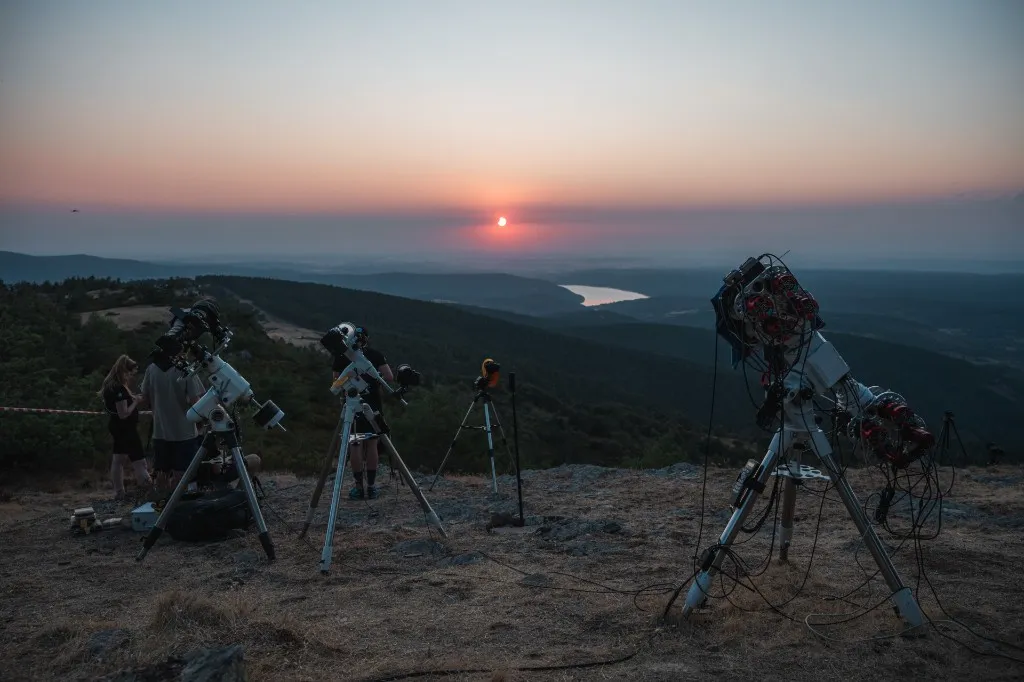
Eclipse Expeditions
Observing a total solar eclipse starts long before totality. We select observing sites, prepare instruments and bring people and equipment into the field, ready to make the most of a brief opportunity to study the corona.
Explore our latest expedition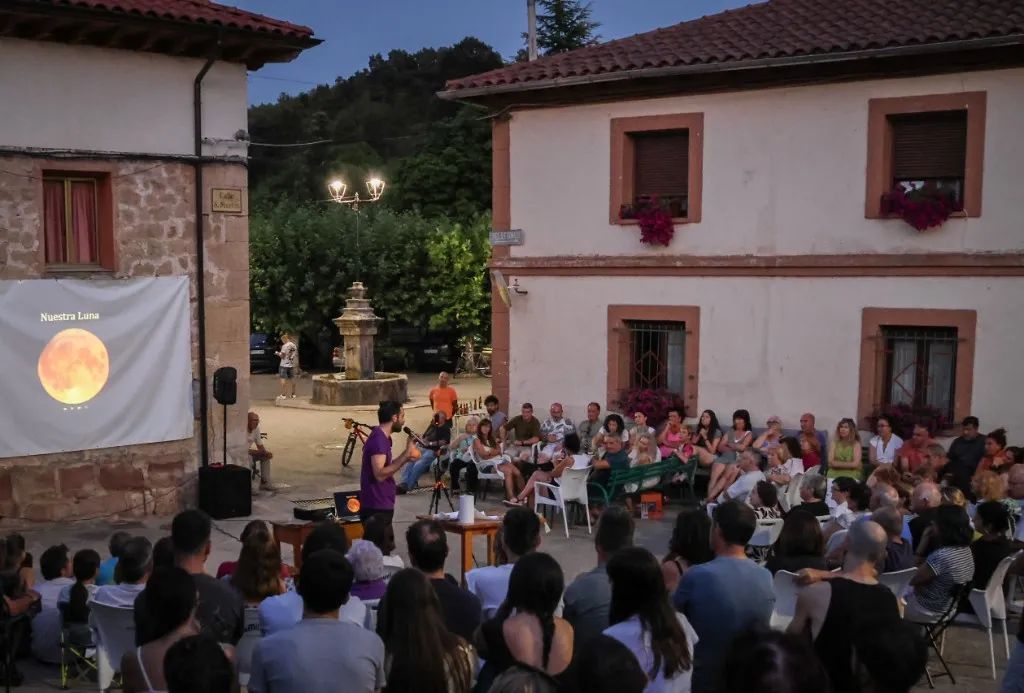
Education & Outreach
We share eclipse science with communities where our expeditions take us. Through talks and educational activities, we explain what happens during an eclipse, introduce our research and help people understand how to observe the event safely.
Partners
Partners & Supporters
The work of the Sherpas is supported through scientific collaboration, funding, technical contributions and help in the field. These relationships contribute to different stages of the research and to specific expeditions.






- Scientific collaborationPartner institutions contribute researchers, analysis and shared observing programmes that strengthen the science behind each campaign.
- Research fundingGrants and sponsored programmes help cover instruments, travel and the long analysis work that continues between eclipses.
- Instruments and field supportTechnical partners and field collaborators supply equipment, logistics and on-site help that make portable observatories possible.
Take Action
Be part of the journey.
Support Our Work
Help make eclipse science possible.
Support the expeditions, instruments and research that deepen our understanding of the Sun.
Expeditions · Data analysis · Instrumentation · Early-career researchers
Contact
Start a conversation.
Interested in supporting the project, exploring a collaboration or asking a question? Get in touch.
contact@solarwindsherpas.comStay Informed
Follow the next chapter.
Subscribe for updates on our expeditions and solar research.