



Total solar eclipse over the Burgos observing ridge at dusk

SolarWindSherpas

What are the origins of the solar wind?

Discover Who We Are

Who we are

31 years / 21 expeditions

Minutes of totality.Years of science

Solar Wind Sherpas organizes expeditions to total solar eclipses worldwide. Led by solar physicist Dr. Shadia Habbal, the team installs portable observatories to study the solar corona during totality. Using high-resolution white-light images, narrow-band filters, and spectrometers, they examine the corona’s structure, temperature, and motion to investigate how it is heated and where the solar wind originates.

Partners & Supporters

What we do

What we do

We bring solar research into the field and share the science of eclipses with the communities we meet.

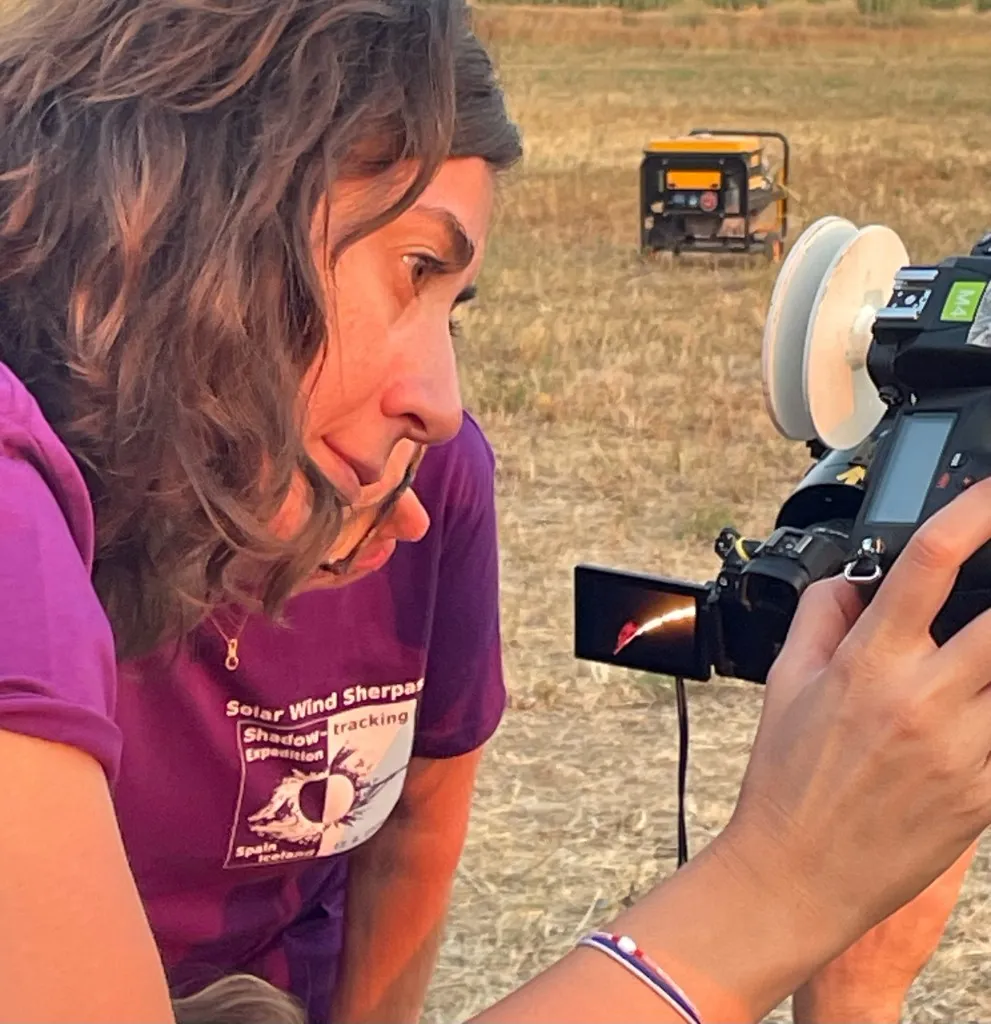
A Solar Wind Sherpas team member studies an eclipse image on a camera in the field

Scientific Research

We use specialized instruments to study the solar corona. By analyzing its light, we investigate its temperature, structure and connection to the solar wind, adding observations that complement those made by space-based observatories.

Explore the science
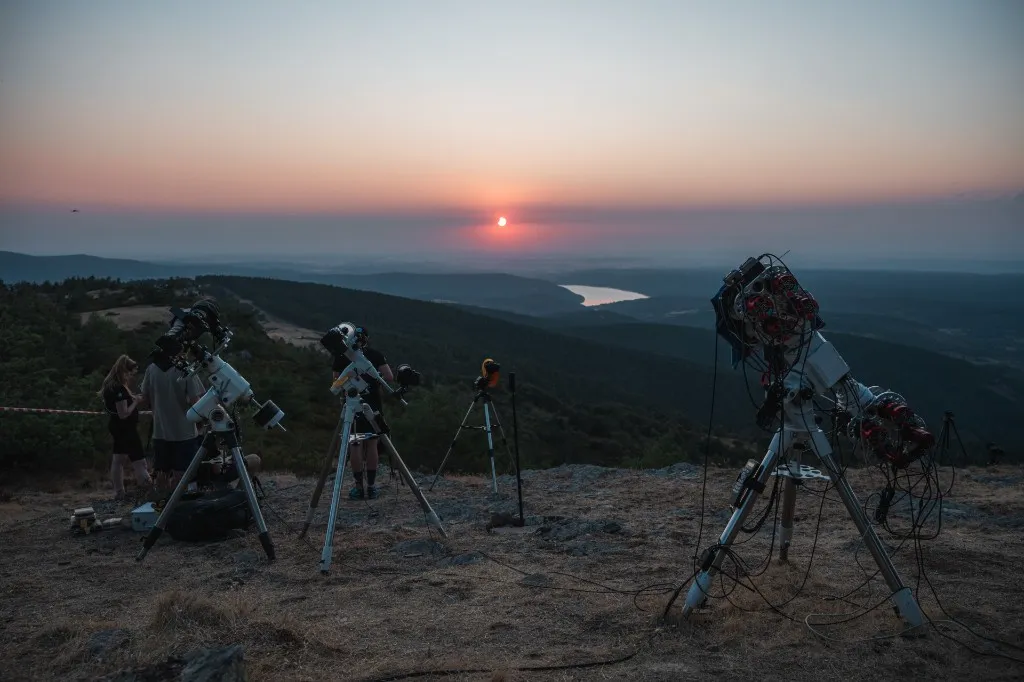
Telescopes set up on a ridge in Spain at sunset, ready for eclipse observations

Václav Široký

Eclipse Expeditions

Observing a total solar eclipse starts long before totality. We select observing sites, prepare instruments and bring people and equipment into the field, ready to make the most of a brief opportunity to study the corona.

Explore our latest expedition
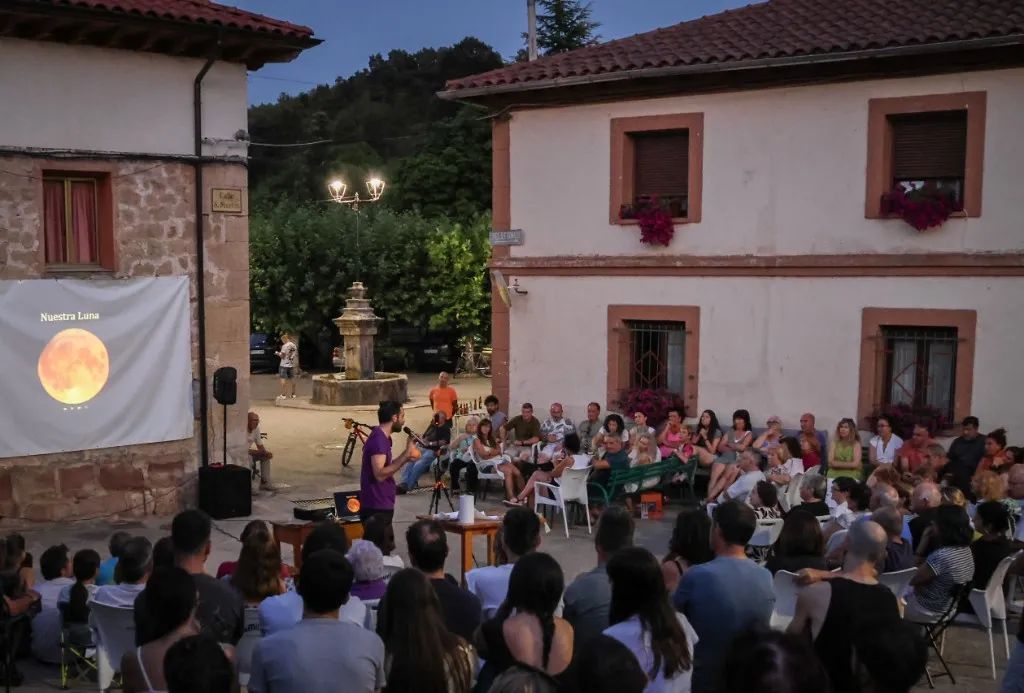
An evening public talk in a village square, with a lunar eclipse projected for the audience

Education & Outreach

We share eclipse science with communities where our expeditions take us. Through talks and educational activities, we explain what happens during an eclipse, introduce our research and help people understand how to observe the event safely.

Discover our outreach

Why we follow eclipses

The Moon reveals what sunlight hides.

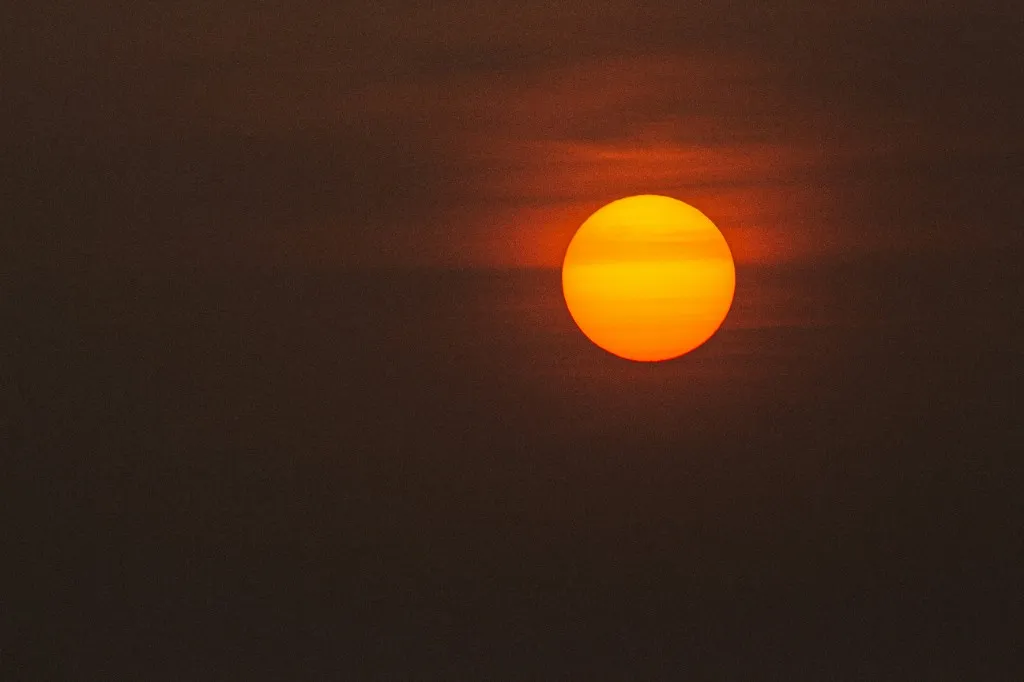
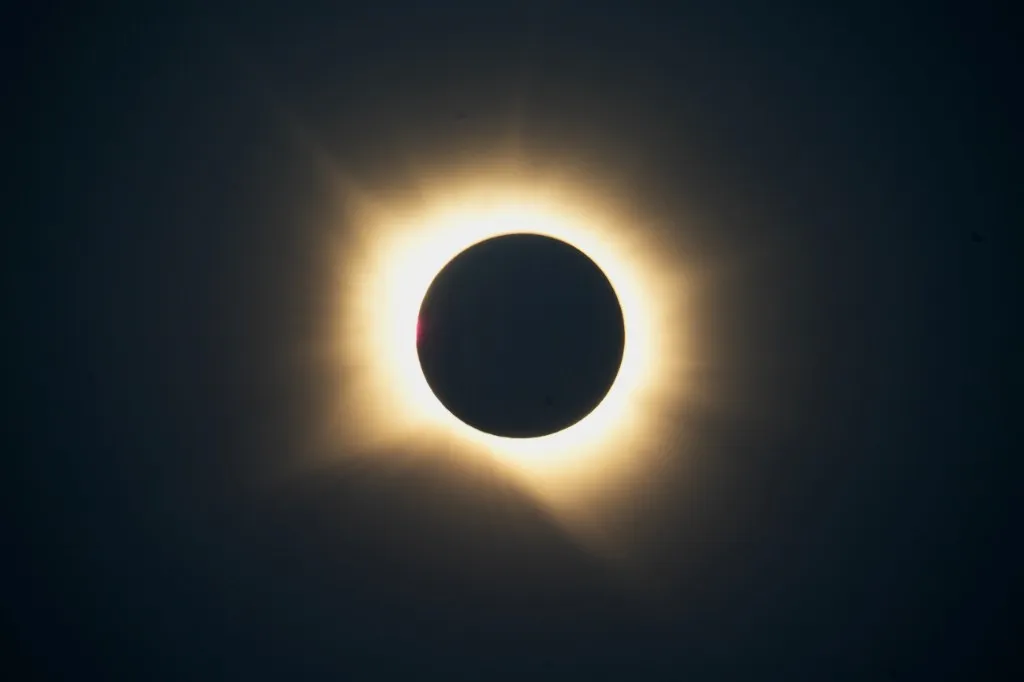
The corona is the Sun’s outer atmosphere. Its faint visible light is usually lost in the glare of the solar surface. During a total solar eclipse, the Moon blocks that glare, giving us a rare opportunity to study the corona from Earth.

Eclipse observations complement measurements from spacecraft and instruments that study the corona throughout the year.

See our expeditions
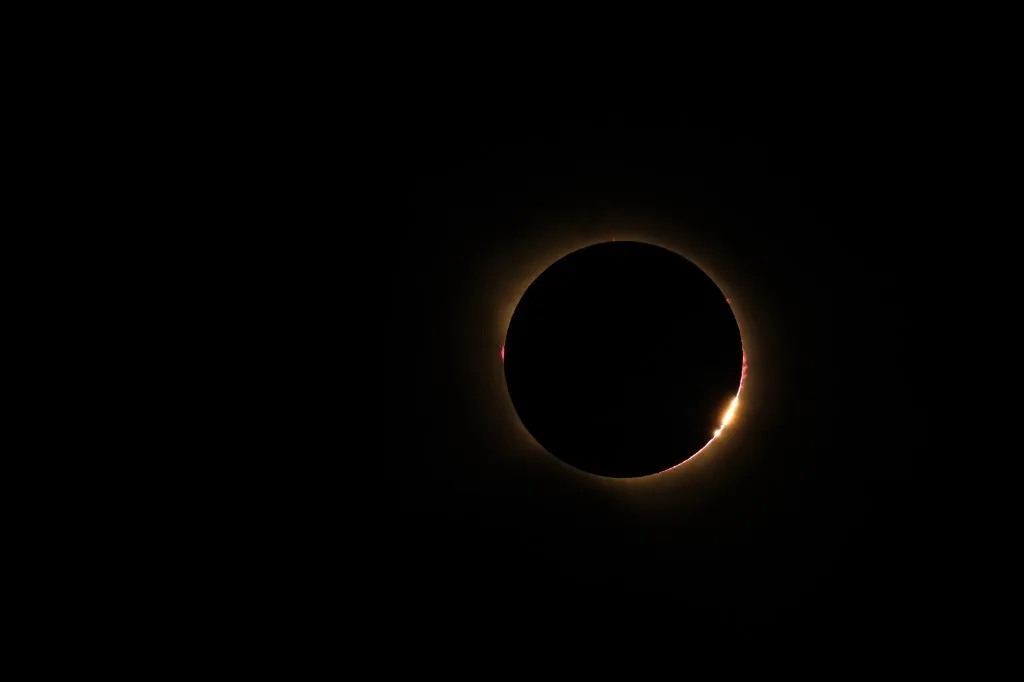
The uneclipsed Sun, a bright orange disk whose glare hides the coronaTotal solar eclipse, with the Moon covering the Sun and the corona glowing around itThe Moon’s limb during totality, with pink prominences and a sliver of chromosphere

Expeditions

Eclipse Expeditions

Observing a total solar eclipse starts long before totality. We select observing sites, prepare instruments and bring people and equipment into the field, ready to make the most of a brief opportunity to study the corona.

See our latest expedition
Expeditions
21
Years
31
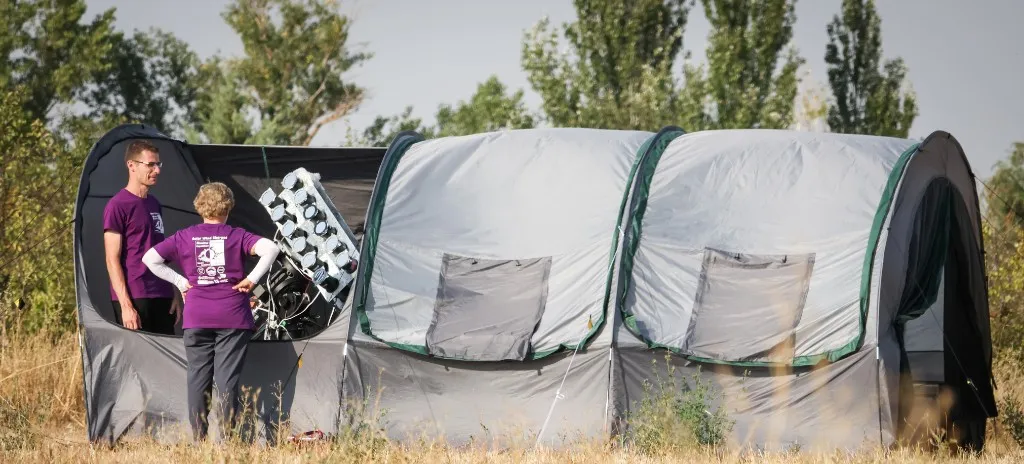
Two team members in purple expedition shirts at the Burgos field camp, beside grey observation tents

Latest expedition · 2026

Burgos, Spain

In 2026, our pursuit of total solar eclipses brought us to Burgos, Spain. Discover the setting, the preparation and the people behind this expedition, and the scientific questions that brought us into the field.

Explore the expedition

Film by Santiago Marrodán Ciordia

Scientific contributions

View all

From eclipse observations to scientific knowledge.

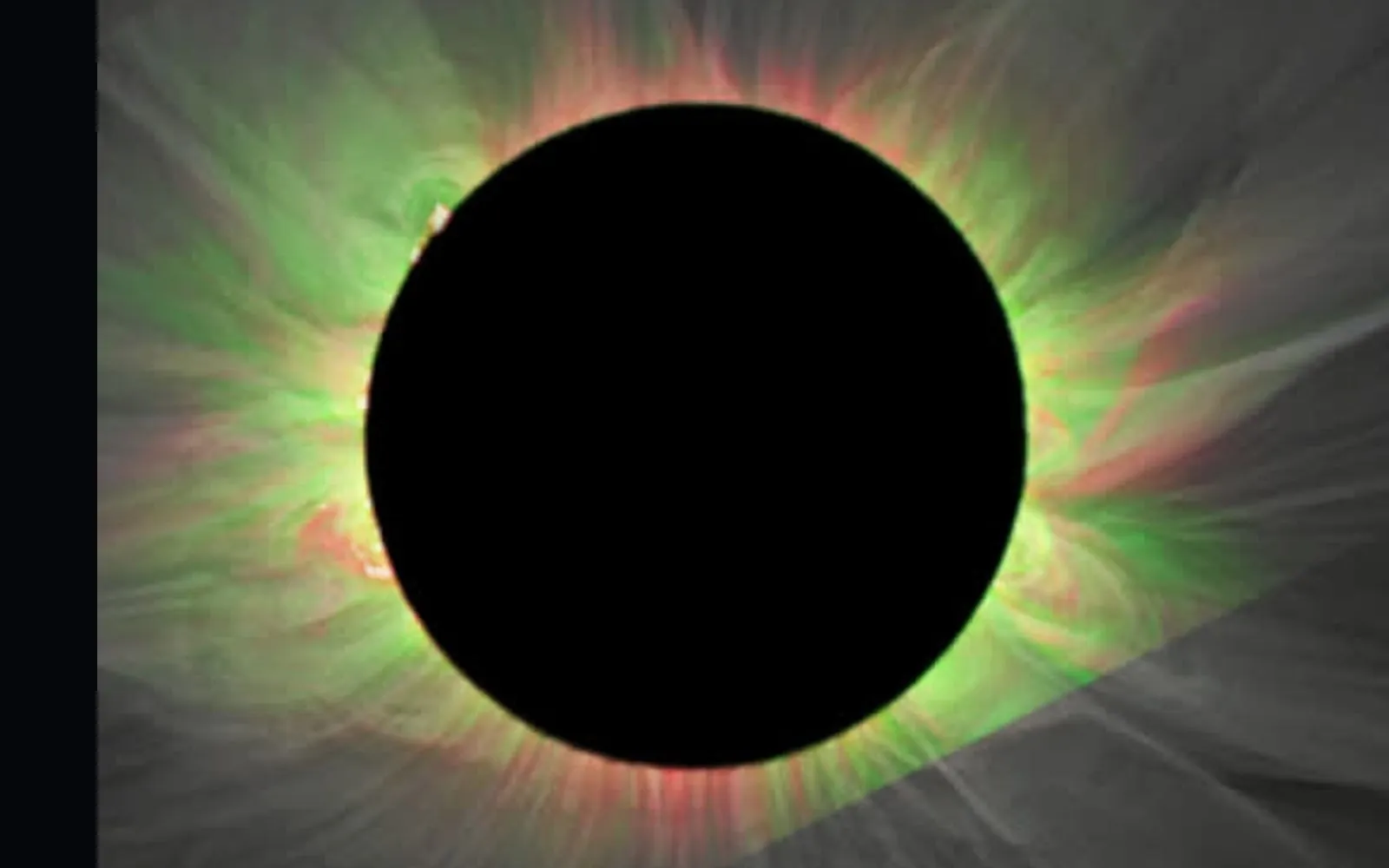
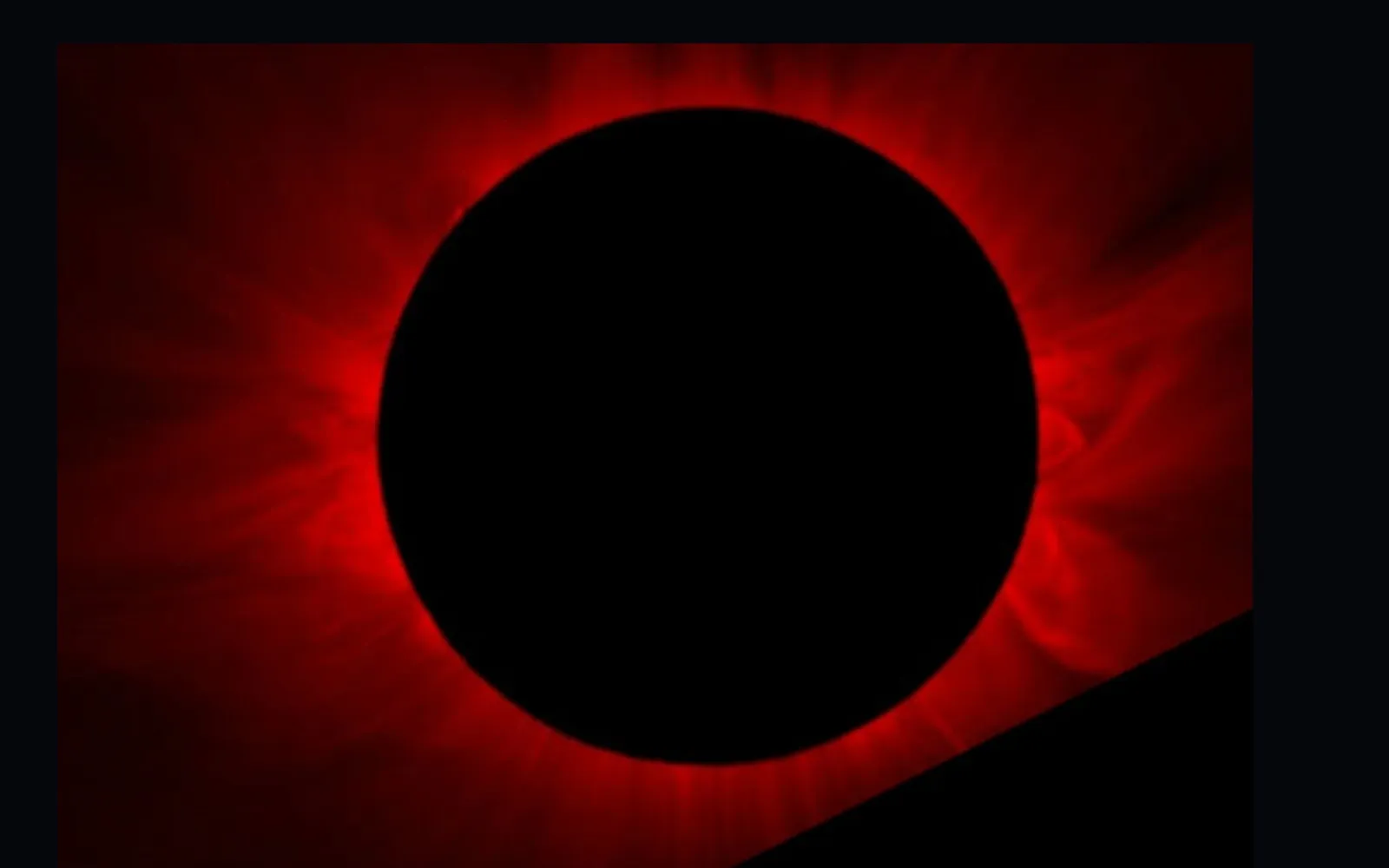
Composite eclipse image of the solar corona, with Fe XI emission in red and Fe XIV in green

Boe et al. · 2018 · ApJ

Tracing the solar wind’s origins

Observations from the 2015 eclipse helped identify where two types of iron ions settle into the charge states they carry outward with the solar wind, offering clues to conditions near the Sun.

The First Empirical Determination of the Fe¹⁰⁺ and Fe¹³⁺ Freeze-in Distances in the Solar Corona

View publication
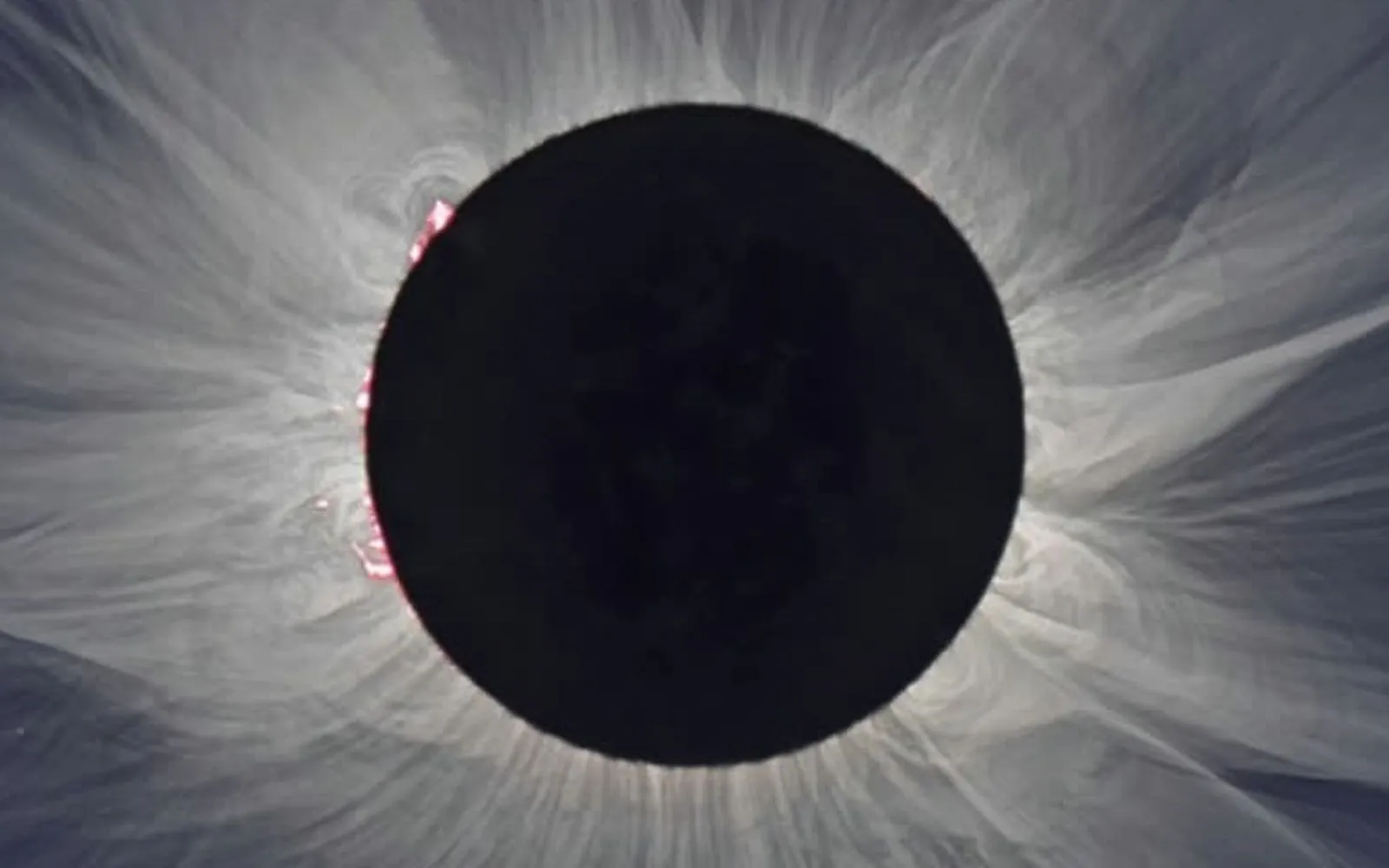
Processed white-light eclipse image showing fine streamers and a prominence in the solar corona

Druckmüller et al. · 2014 · ApJ

Revealing fine structures in the corona

Detailed processing of eclipse images revealed faint loops, rings and twisted structures, providing new evidence of the corona’s dynamic behavior.

Discovery of a New Class of Coronal Structures in White Light Eclipse Images

View publication

Take Action

Be part of the journey.

Support Our Work

Help make eclipse science possible.

Support the expeditions, instruments and research that deepen our understanding of the Sun.

Expeditions · Data analysis · Instrumentation · Early-career researchers

Contact

Start a conversation.

Interested in supporting the project, exploring a collaboration or asking a question? Get in touch.

contact@solarwindsherpas.com

Stay Informed

Follow the next chapter.

Subscribe for updates on our expeditions and solar research.